

Valdecamellas · The house · Chapter II
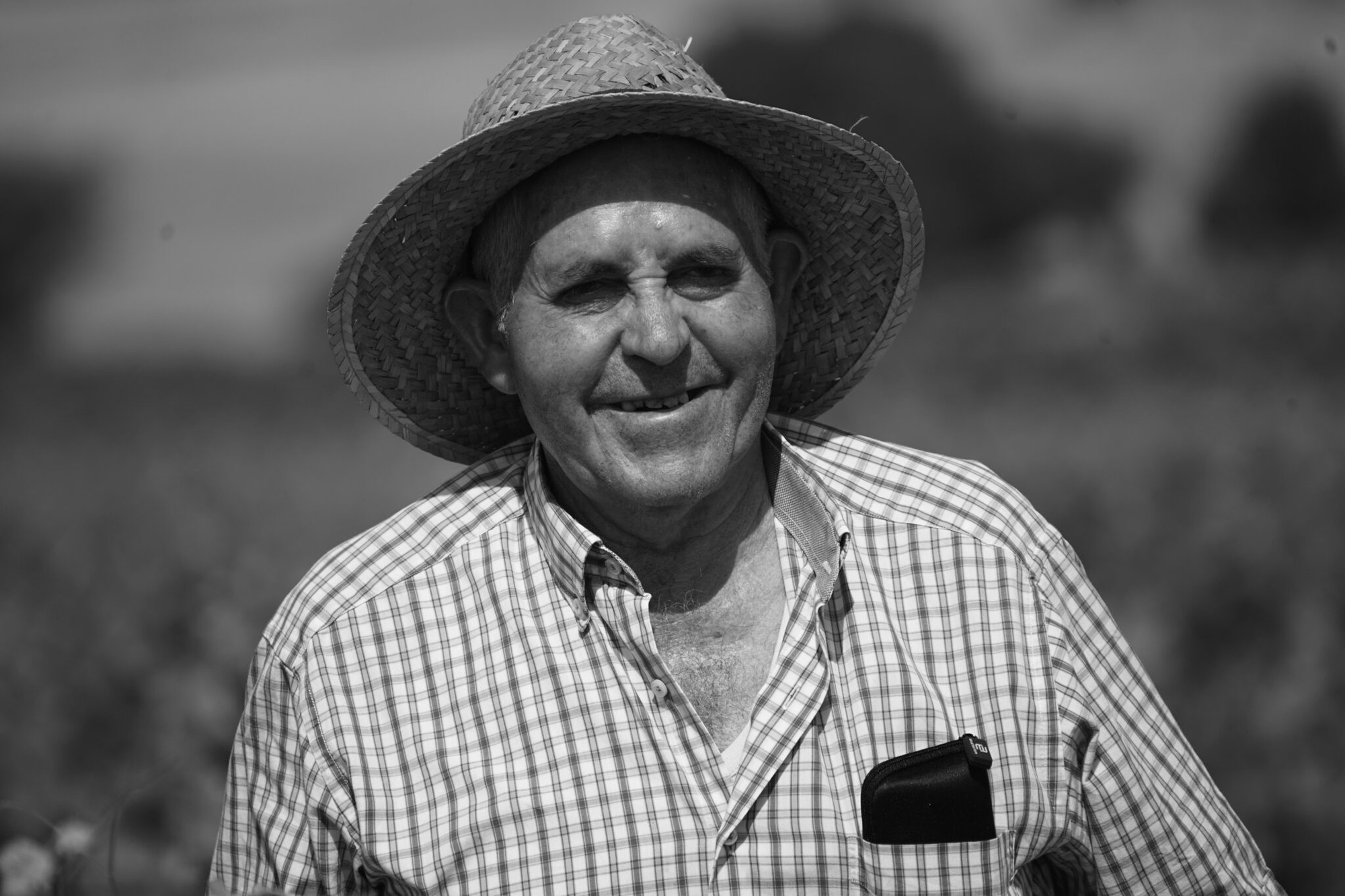
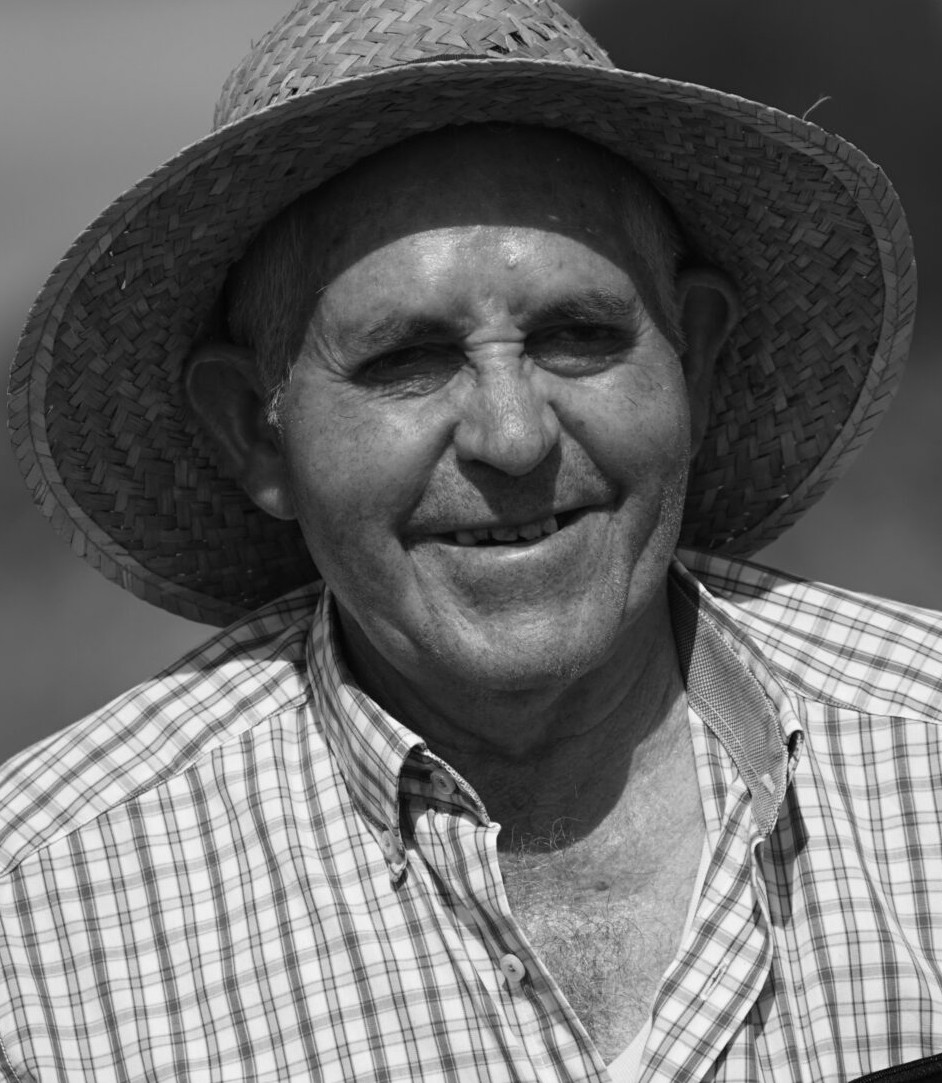
He has pruned these vines through more than eighty growing cycles. He does not use the word terroir. He walks it.
Growing cycles · the same hands
Not a figure of speech and not a marketing number: the count of winters in which one pair of hands has gone out to decide, vine by vine, which wood stays and which wood goes.
I · The man who was always there
A vigneron that nobody had written down.
Every serious wine region has a figure like this one, and almost none of them bother to name him. In Burgundy he would have a book. In Barolo he would have a documentary. Here he has a straw hat, a checked shirt and nineteen lieux-dits he can tell apart with his eyes closed.
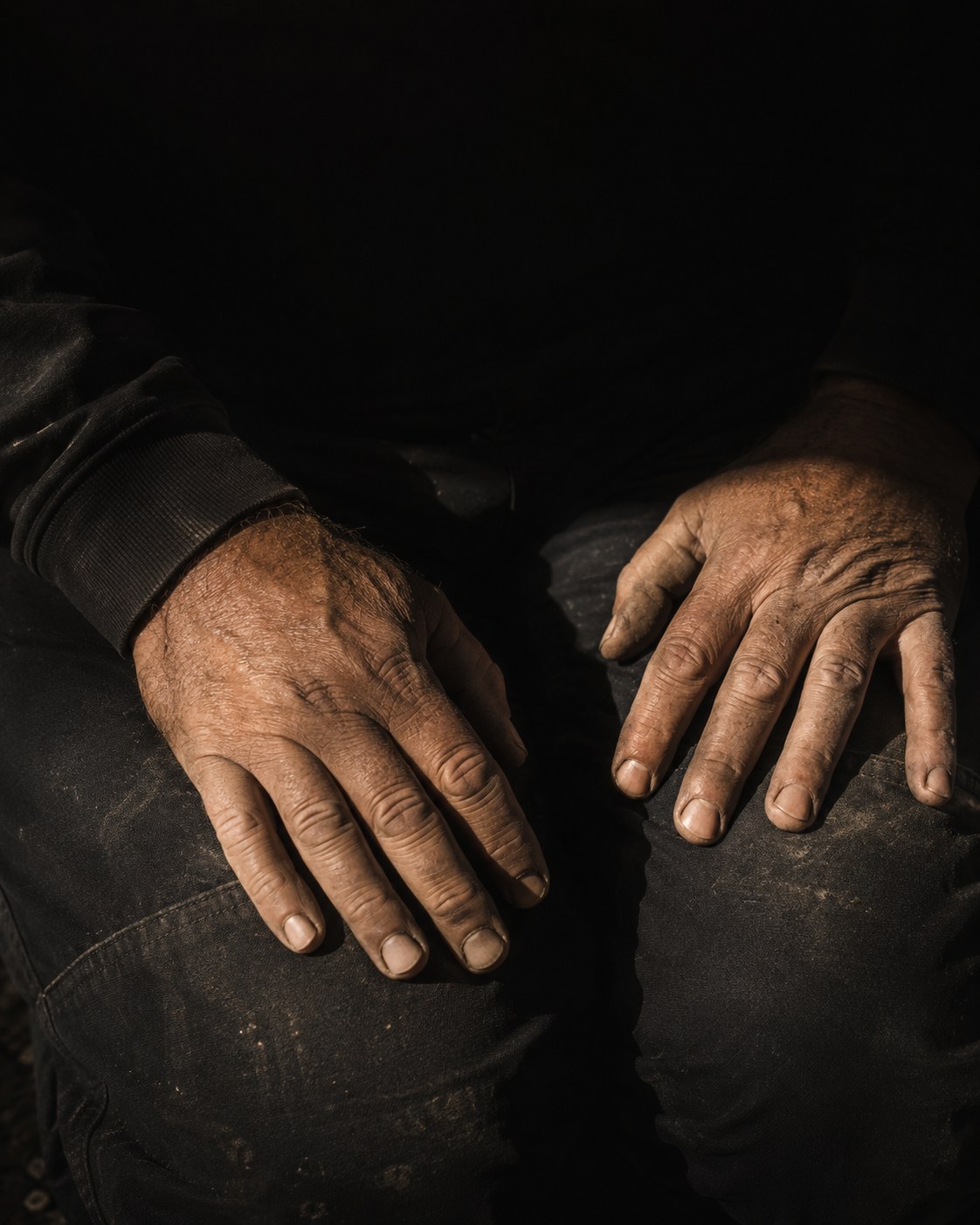
His back remembers the weight of the baskets in the underground galleries, from the years when everything was carried rather than driven. His hands close in a particular way, the way hands do after six decades of the same winter gesture. He knows which slope holds the frost longest and which one loses its water first, and he knows it the way you know your own street.
None of that had ever been published. Not because it was hidden — simply because nobody thought it was worth telling. That is the part this house got wrong, and this chapter exists to correct it.
II · The question he keeps asking
If the wine wins, then the vines must be good.
He asks it quietly, and more than once. If the winery that buys his grapes wins prizes, then by simple logic his vines must be among the best there are. It is said without vanity, as a piece of arithmetic. And it is, of course, exactly right.
It is not folklore and it is not a country saying. It is the Castilian equivalent of what a Burgundian vigneron means when he says the wine is made in the vineyard, and it has been standing in these three villages the whole time, saying it in a language the fine-wine world never came to hear.
III · What he actually does
A calendar for each lieu-dit, not one for the estate.
Nineteen lieux-dits do not ripen on the same day. They do not bud on the same day either, and they do not want the same pruning. What looks from outside like a single harvest is, from inside, a separate decision for each plot, taken across several weeks, each one of which can only be taken once.
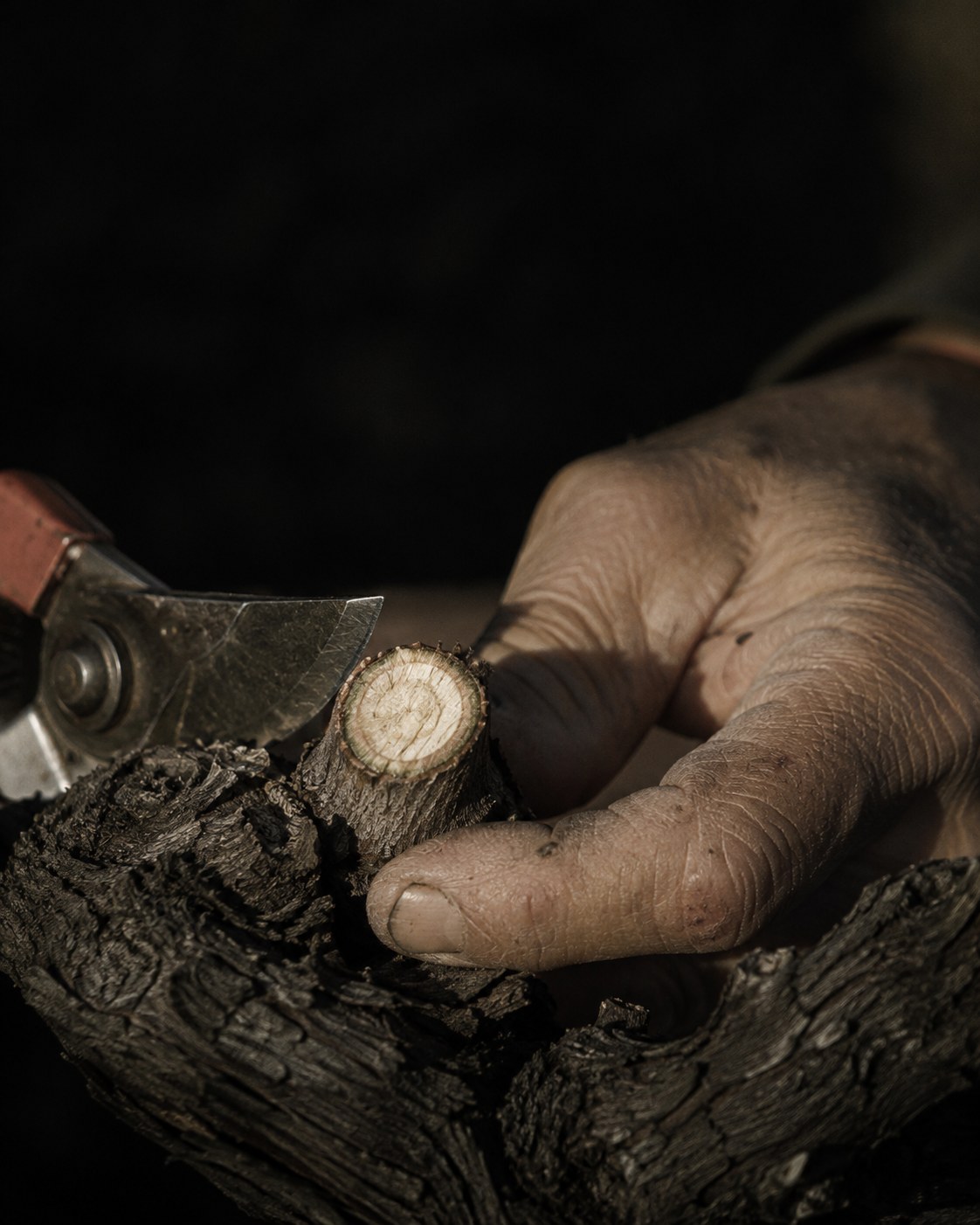
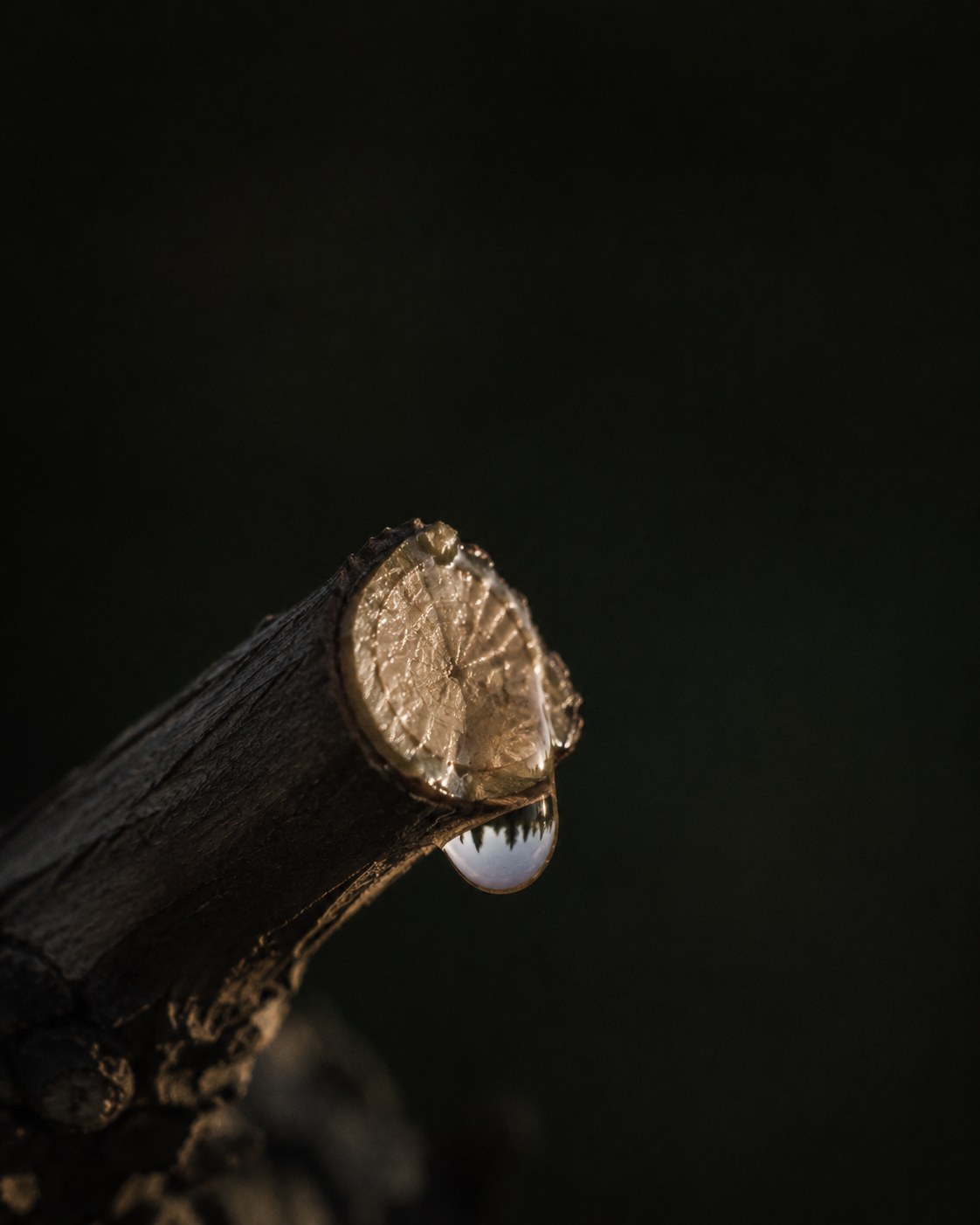
Selection happens at the foot of the vine, where a mistake still costs nothing to correct. By the time the fruit reaches the cellar the important choices have already been made, out in the cold, by someone walking.
A vintage is decided in September, but signed in February.Attributed to Trifón · pending his own words
§
Mariano wanted to make the best wine in the world. He did not live to taste the answer. Trifón is still out there, pruning it.
← The house