Wine as a way
of keeping a promise.
Valdecamellas is not a company that owns a vineyard. It is a family that inherited nineteen lieux-dits, a name taken from the land itself, and a sentence spoken by a man who did not live to see it answered.
Mariano
He used to say that he wanted to make the best wine in the world. He said it without irony and without raising his voice, in the tone men here reserve for things they fully intend to do. Nobody in the family corrected him, and nobody quite believed him either. It was simply the sentence he repeated, year after year, standing at the edge of a plot that had never produced anything anyone outside these three villages had heard of.
He died in 2014. Too early, and with the sentence still unanswered. There was no bottle yet that deserved it — no white worth the claim, no red that had been given the time it needed. What he left was not a winery in the industrial sense of the word. It was nineteen scattered plots, a handful of old vines that nobody had thought to pull up, and an ambition that suddenly had no one to defend it.
Everything this house has done since has been, in one form or another, an answer to that sentence.

The promise
A promise made to someone who is no longer there is an uncomfortable inheritance. It cannot be renegotiated. It cannot be scaled down to something more reasonable. Either it is taken seriously or it is quietly abandoned, and everyone involved knows which of the two has happened.
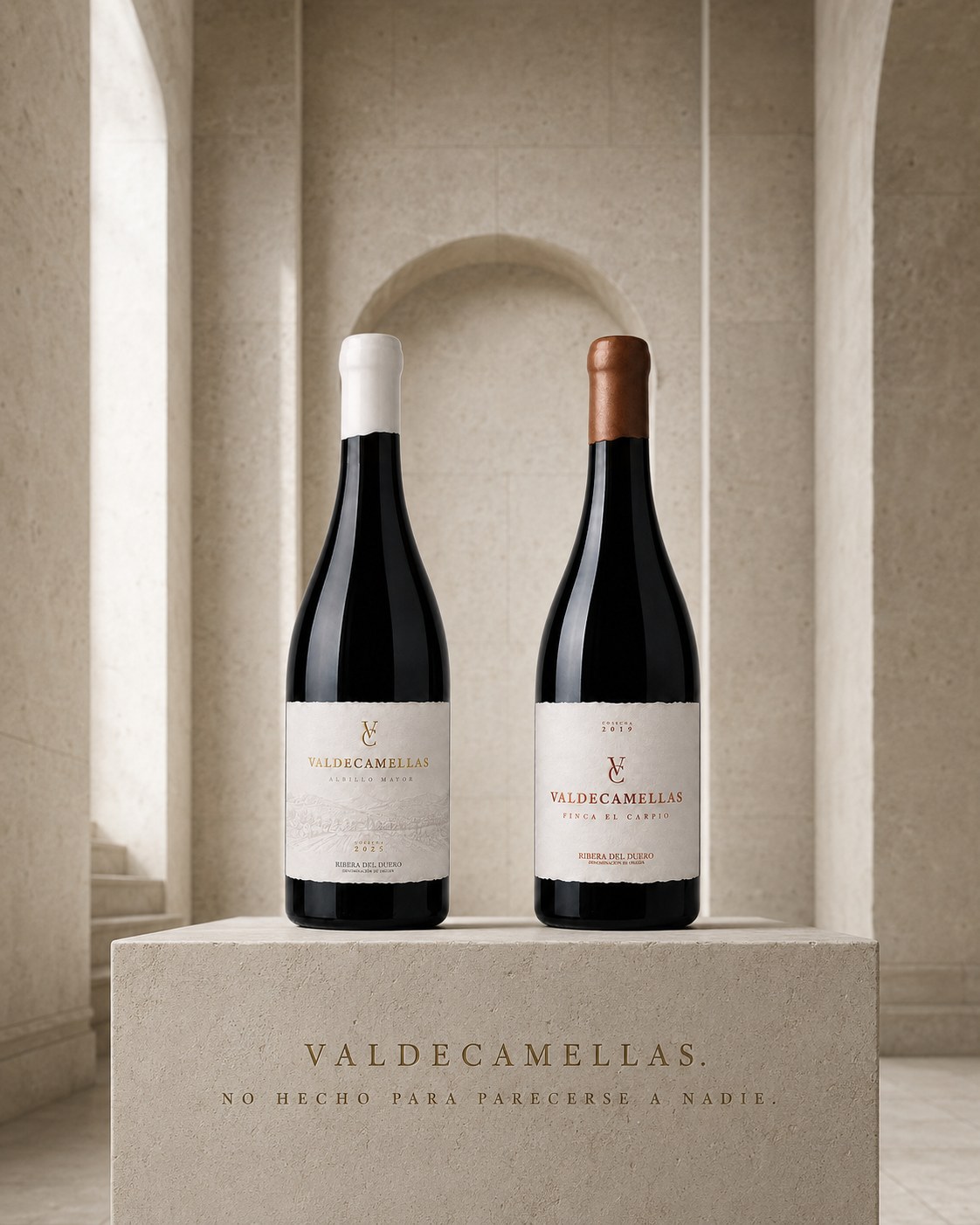
The family chose to take it seriously, and the first consequence was subtraction. The long catalogue that had kept the house going for decades — the young red, the six-month oak, the twelve — was set aside from everything this winery shows the world. What remained were two wines: a red from the plot called Carpio, and a white made from Albillo Mayor.
Two wines mean there is nowhere to hide. Every decision in the vineyard reaches the bottle undiluted, and no weak vintage can be absorbed by the volume of a range. That is not a marketing posture. It is the only structure under which a sentence like Mariano's can be answered honestly.
Nineteen lieux-dits
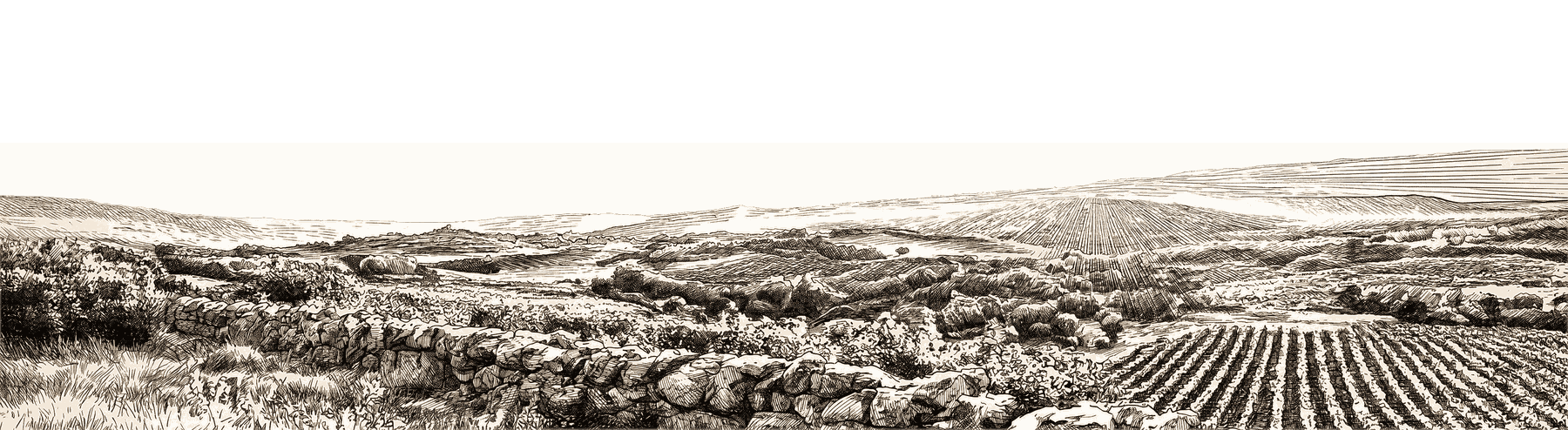
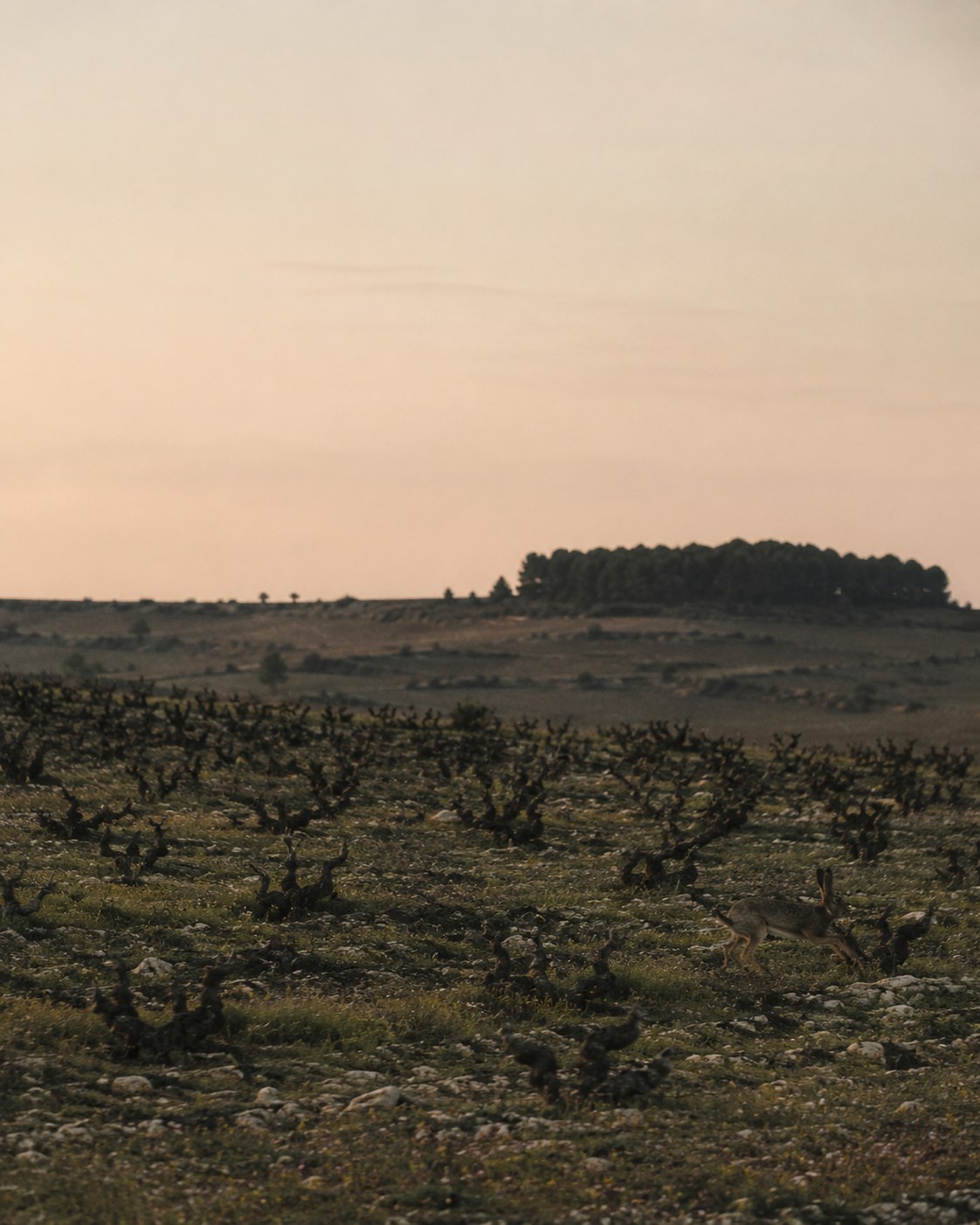
There is no single estate here. No gate, no avenue of trees, no boundary wall with a name carved into it. The vineyard of Valdecamellas is nineteen separate micro-plots scattered across Fresnillo de las Dueñas, Fuentespina and Fuentelcésped, three villages in the southern strip of the province of Burgos, at the heart of the Burgos Ribera del Duero.
Some are measured in ares rather than hectares. None of them is large. They were not assembled by a purchasing department: they were inherited, exchanged between neighbours, and held onto through decades in which pulling up old vines was considered the sensible thing to do. The fragmentation that once looked like a liability is now the most valuable thing this house owns.
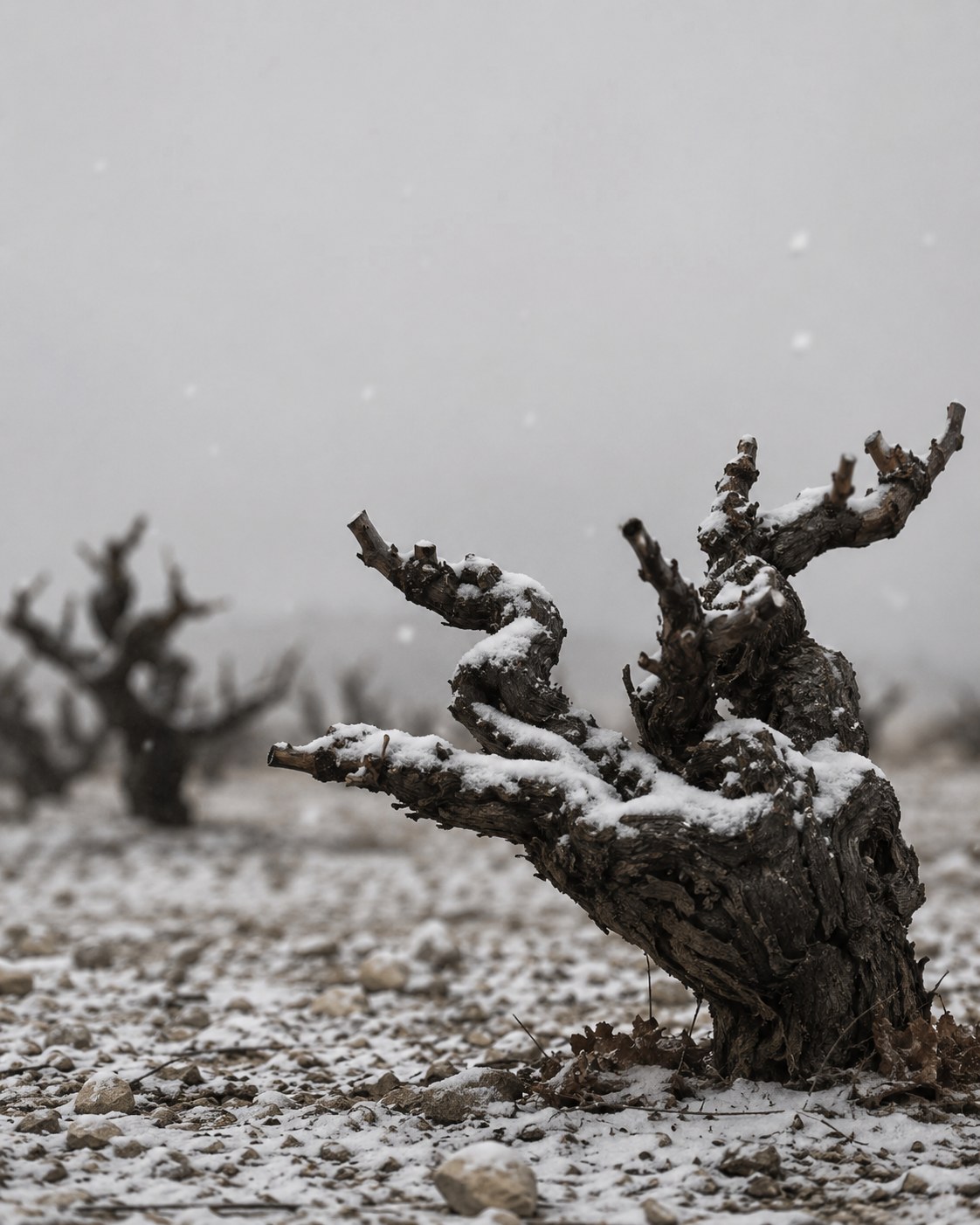
The altitude exposes the vines to a severe continental climate: long winters, dry summers with cold nights, and a daily temperature swing that in August can exceed 20 °C. That contrast is what allows the grape to ripen slowly here, holding its acidity while the skins keep working. It is also what makes a bad decision in the vineyard impossible to disguise later in the cellar.
Soils and varieties
The ground is a mosaic rather than a formula: clay, limestone and sand in proportions that change from one plot to the next, sometimes within the same hillside. The clay holds water and gives flesh. The limestone holds acidity and gives tension and length. The sand gives aromatic definition. Poor soil, in every case — poor enough to send the root down looking for what the surface will not give it.
Two varieties, and only two. Tempranillo, known here as Tinta del País, for Carpio: a sandy plot, low in organic matter, planted with old vines. And Albillo Mayor, the native white grape that the appellation only admitted as a principal variety in November 2019, for the wine that carries the family name.
Several plots were planted before the D.O. Ribera del Duero existed. They give little fruit and they give it late, and that is precisely why they are still standing.
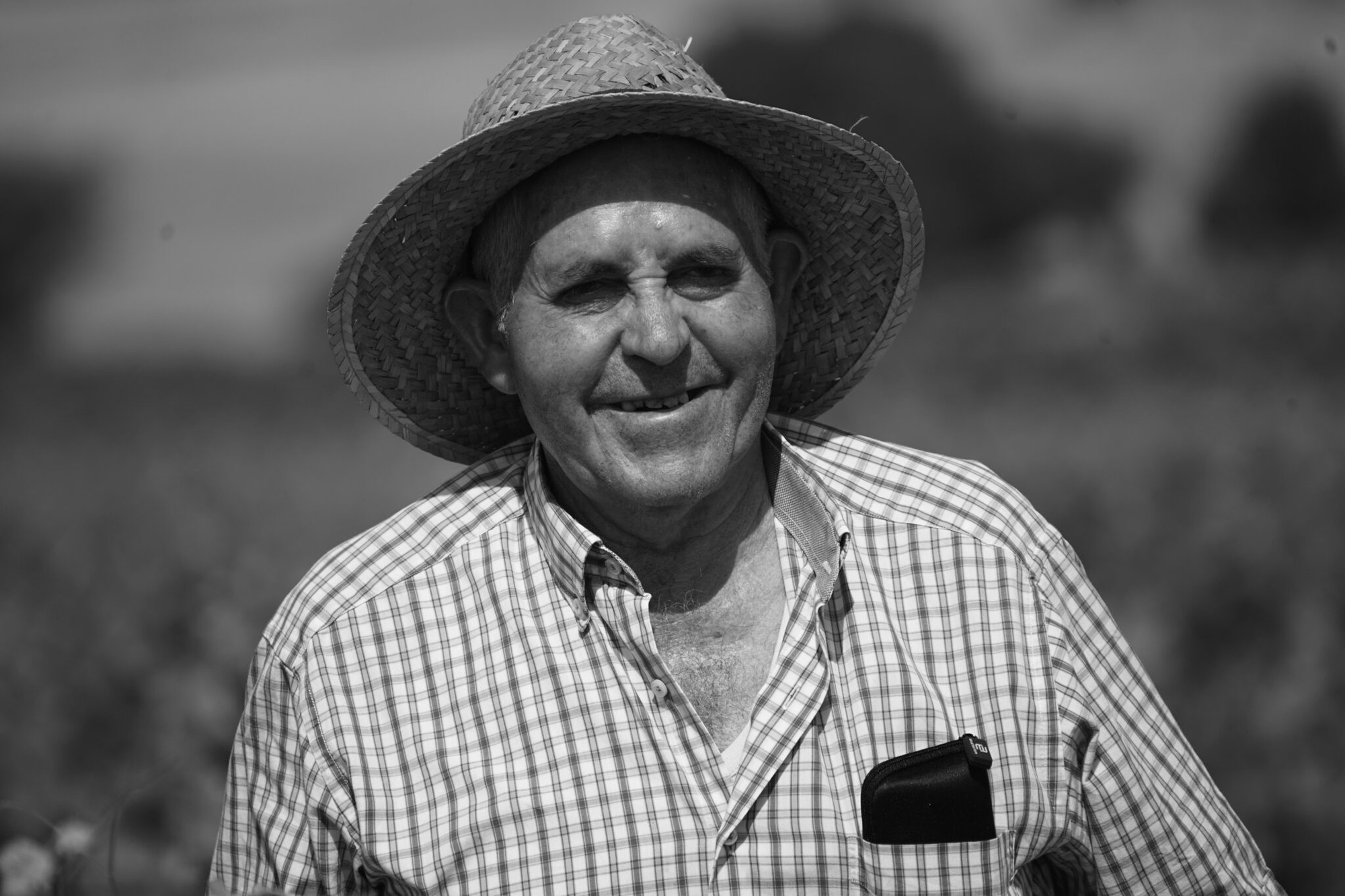
Trifón
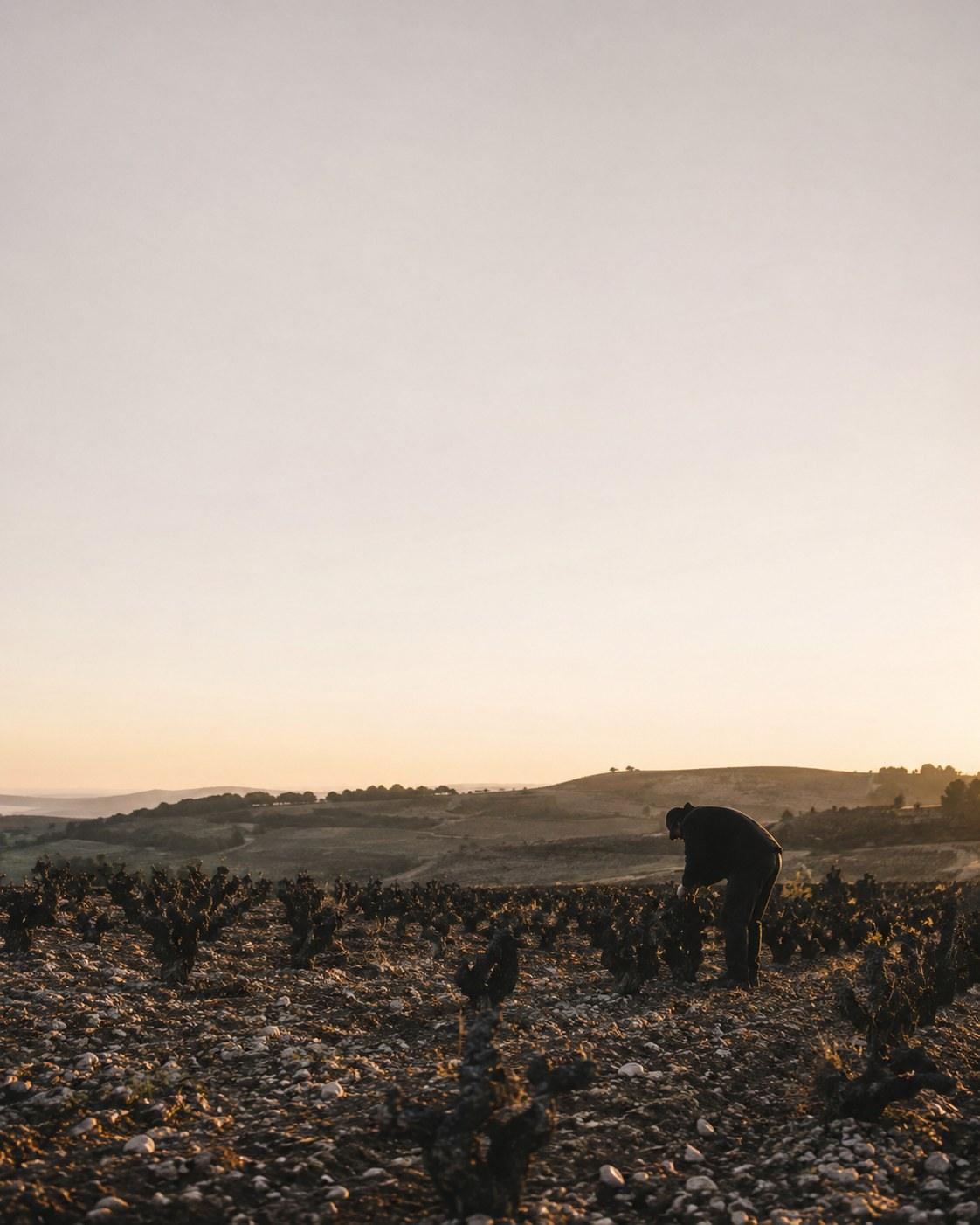
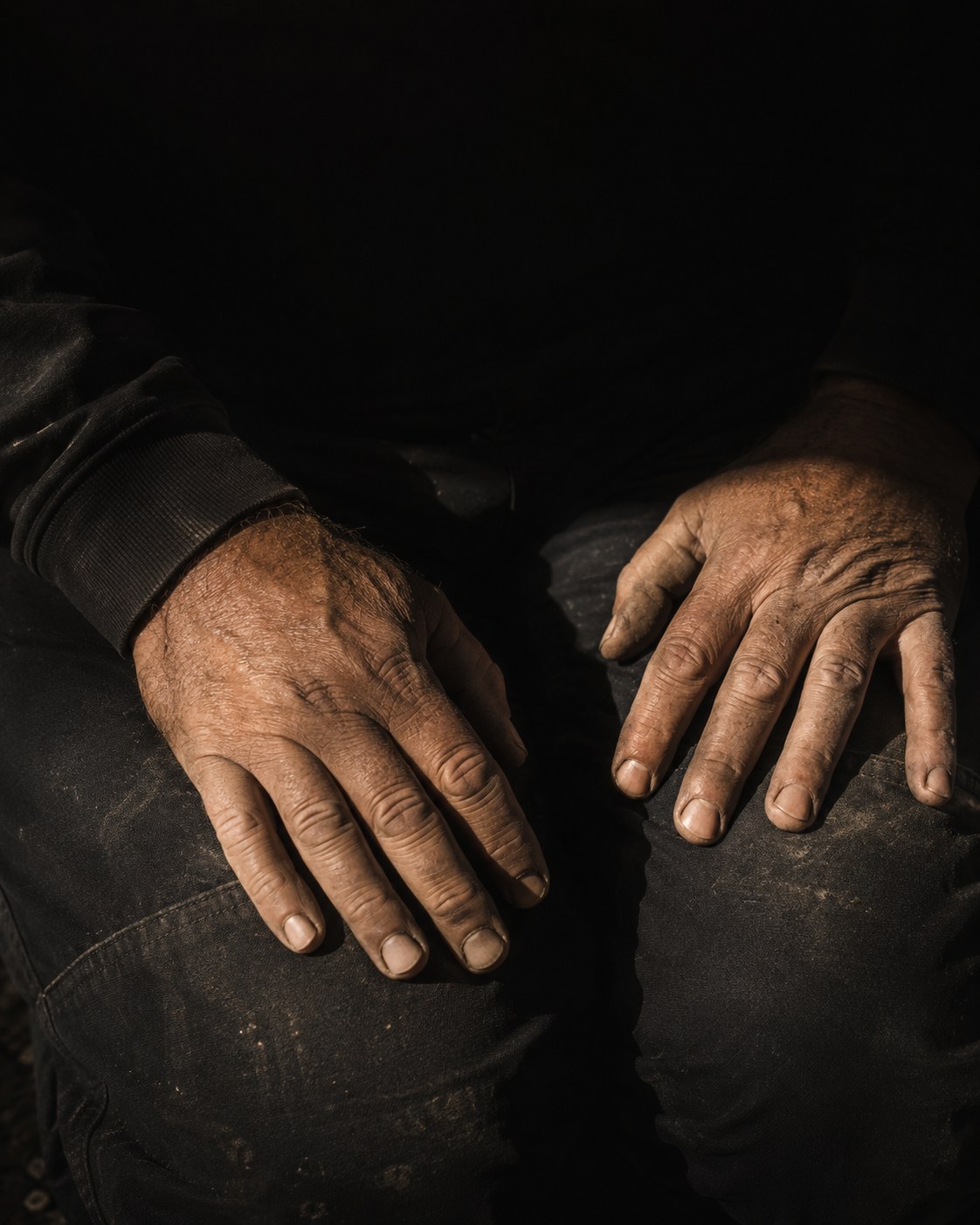
He has pruned through more than eighty vegetative cycles. That is not a figure of speech and it is not a marketing number: it is the count of winters in which the same pair of hands has gone out to decide, vine by vine, which wood stays and which wood goes. His back remembers the weight of the baskets in the underground galleries from the years when everything was carried rather than driven.
He does not use the word terroir. He walks it. He can tell you which plot a glass came from, and he will say so before the second sip, without ceremony. He asks, quietly and more than once, that if the winery that buys his grapes wins prizes, then by simple logic his vines must be among the best there are. It is not folklore. It is the Castilian equivalent of the Burgundian vigneron, and it has been standing in these three villages the whole time.
The harvest is manual, plot by plot, each at its own moment, because no two plots ripen on the same day. Selection happens at the foot of the vine, where a decision still costs nothing to correct.
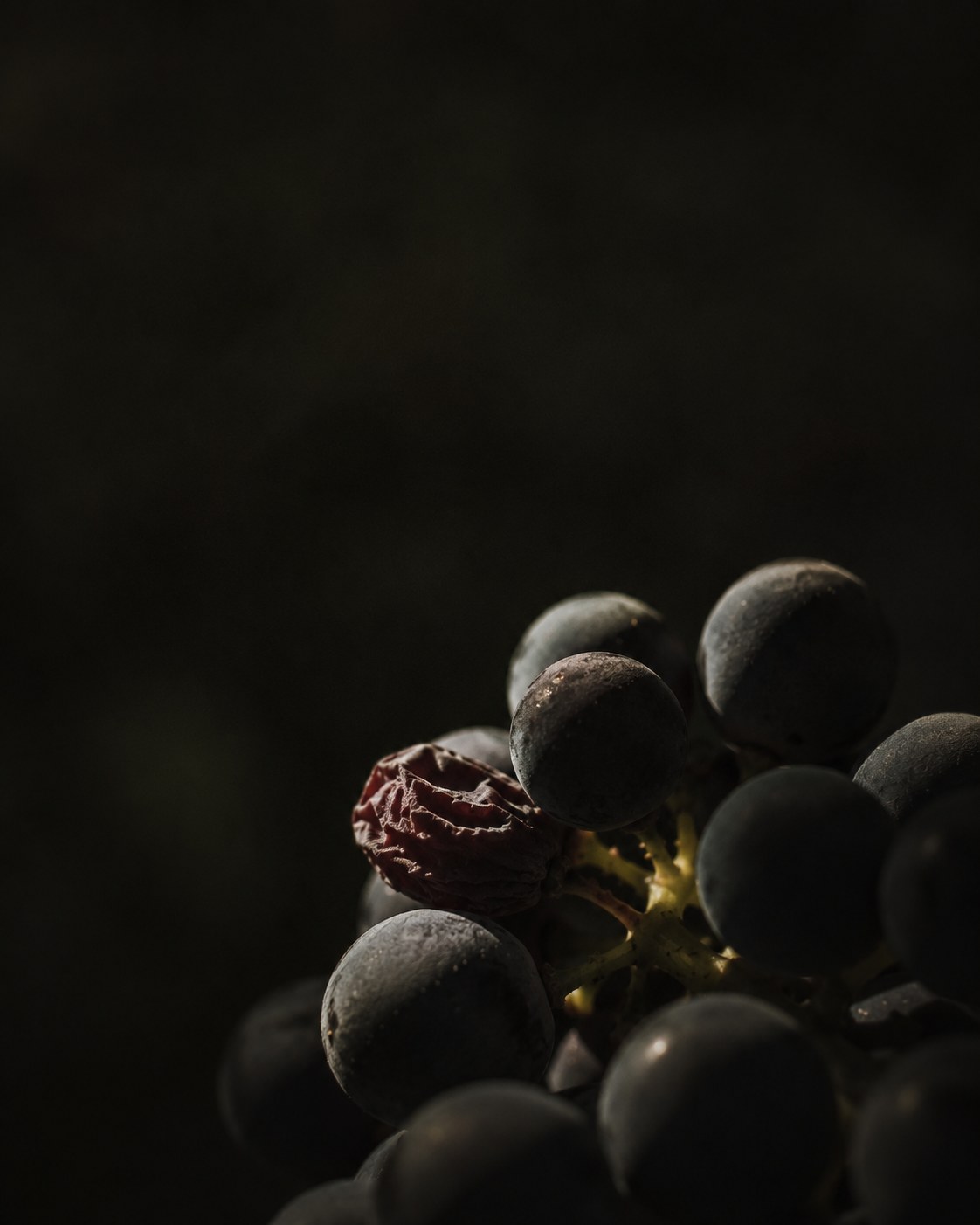
The hands that stayed
The cellar work follows from that. Fermentations are controlled but not corrected into shape. Ageing takes place in French oak, and each wine rests for as long as that particular year requires rather than for the number of months a category label would prefer.
What holds all of it together is not equipment. It is continuity: the same family, the same plots, and a man who has been reading these vines since long before anyone thought to write any of it down.
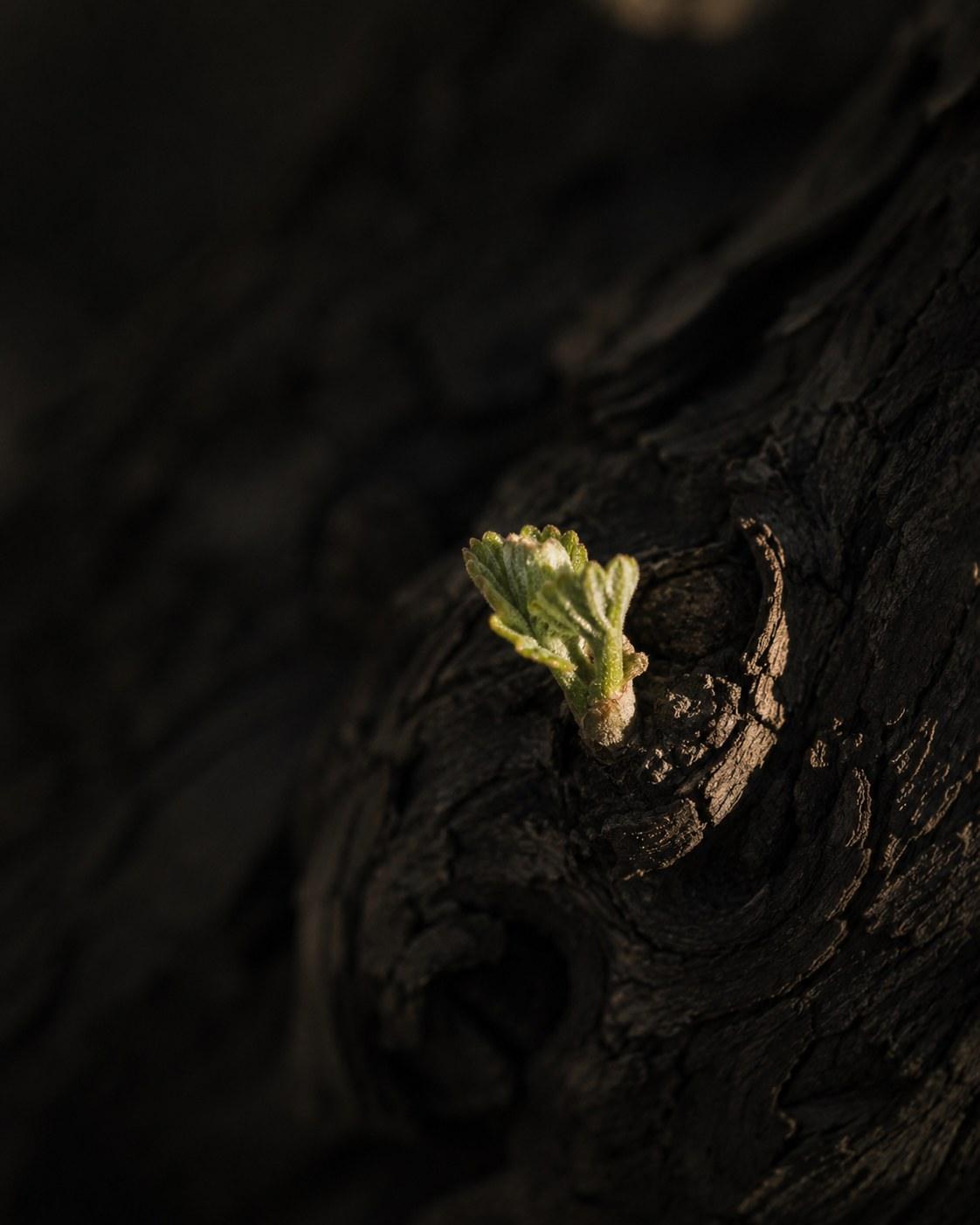
D.O. Ribera del Duero
The Ribera del Duero Designation of Origin covers a strip 115 kilometers long and 35 kilometers wide along the Duero River, between the provinces of Burgos, Valladolid, Soria and Segovia. It is one of the most prestigious appellations in Spain and in the world.
Its vineyards, between 700 and 1,000 metres above sea level, receive more than 2,400 hours of sunshine a year and only 450–500 litres of rainfall. A continental climate with a clear Atlantic influence, limestone soils and severe altitude: conditions that are hard on the vine and generous with whoever is willing to wait for them.
A white appellation since 2019
Ribera del Duero was, for most of its history, a red appellation. That changed in November 2019, when Albillo Mayor was admitted as a principal authorised variety. The first official back labels — 4,990 of them, for 3,760 litres — were issued in December of that year, for the 2018 vintage.
Today around 375 hectares are registered out of the 27,468 in the appellation: barely 1.3% of the vineyard. Roughly thirty wineries make a white, most of them fewer than five thousand bottles a year. It is, technically, one of the smallest white categories in Spain — and one of the most praised by the international press in the years since.
A category six years old, already validated by the critics, and still without a name that leads it. That is the reason the white in this house is not a secondary wine, and is not treated as one.
Three villages
Fresnillo de las Dueñas, Fuentespina and Fuentelcésped. Three small villages in the southern strip of the province of Burgos, within a few kilometres of one another, none of them famous, all of them growing vines for longer than the appellation has existed to certify it.
The house itself is in Fresnillo de las Dueñas, on Calle Lavaderos. The plots are spread across the three, which is why the harvest here is not an event but a sequence: one date for each plot, decided one by one, on ground that changes composition from one hillside to the next.

The name
Valdecamellas is not an invented name and it was not chosen in a meeting. It is a place name — the kind of word that attaches itself to a fold in the land and then outlives everyone who used it. The family did not select it as an identity. They took the name the ground already had.
The same is true of Carpio. It is a plot before it is a wine: sandy ground, poor in organic matter, old vines. The label says Finca El Carpio because that is where the fruit comes from, and for no other reason. In a region where most names are decided by marketing departments, using the ones the land supplied is not humility. It is accuracy.