Every trade builds words for the things it needs to name quickly. Most of them translate without loss. A few do not — not because Castilian is richer than English, but because the thing itself was named here, by people who needed the word daily and had no reason to make it travel.
This is a working list of those words. We use them in conversation, in the notebook and, occasionally, on a label. When somebody asks what they mean, the honest answer is usually longer than the word, which is the whole point of having the word.
It is provisional on purpose. It will grow.
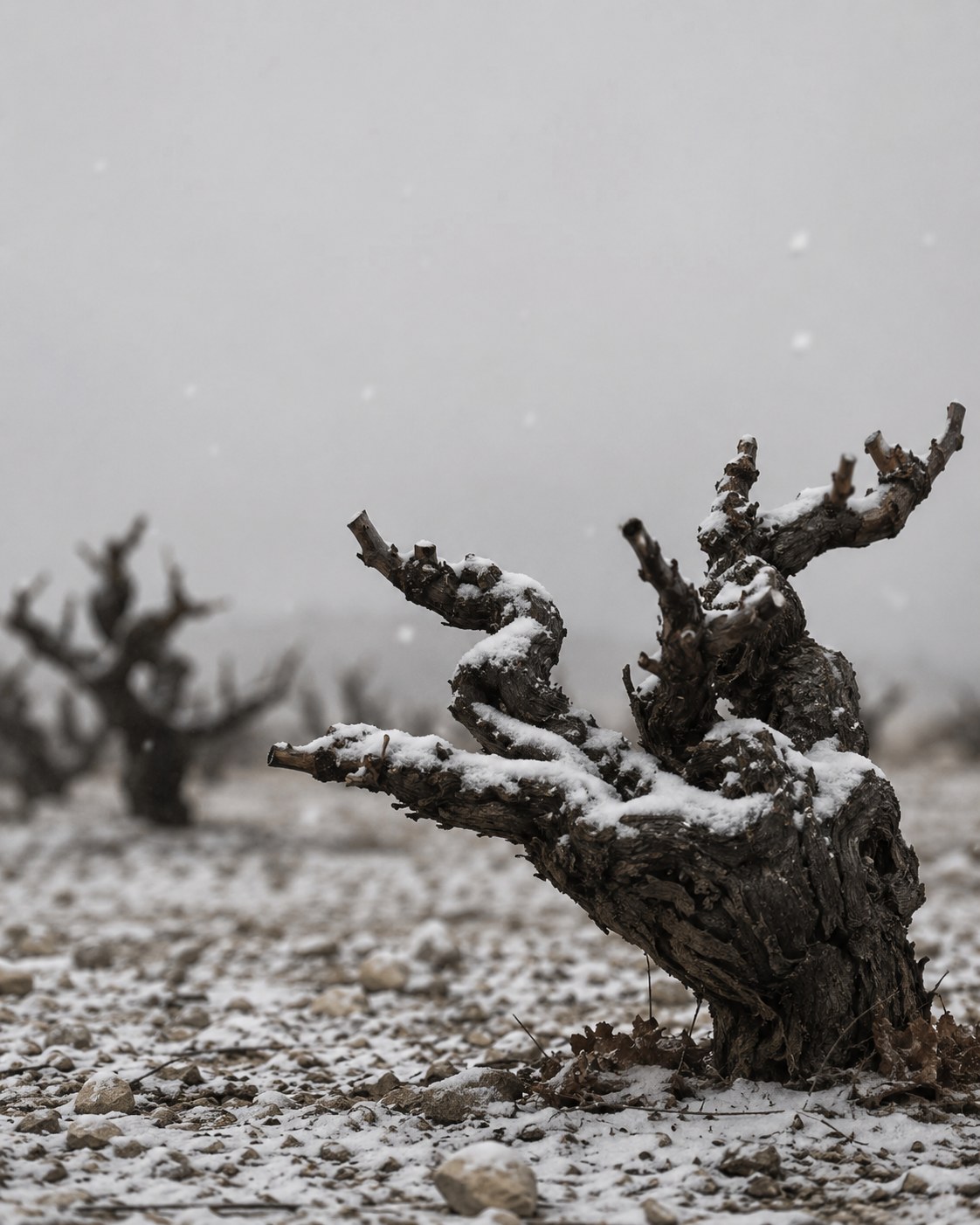
cepa — the vine as a body: trunk, arms, the whole standing plant. English says "vine" for the plant, the species and the shoot alike. Cepa means only this one, this individual, the one you can put a hand on.
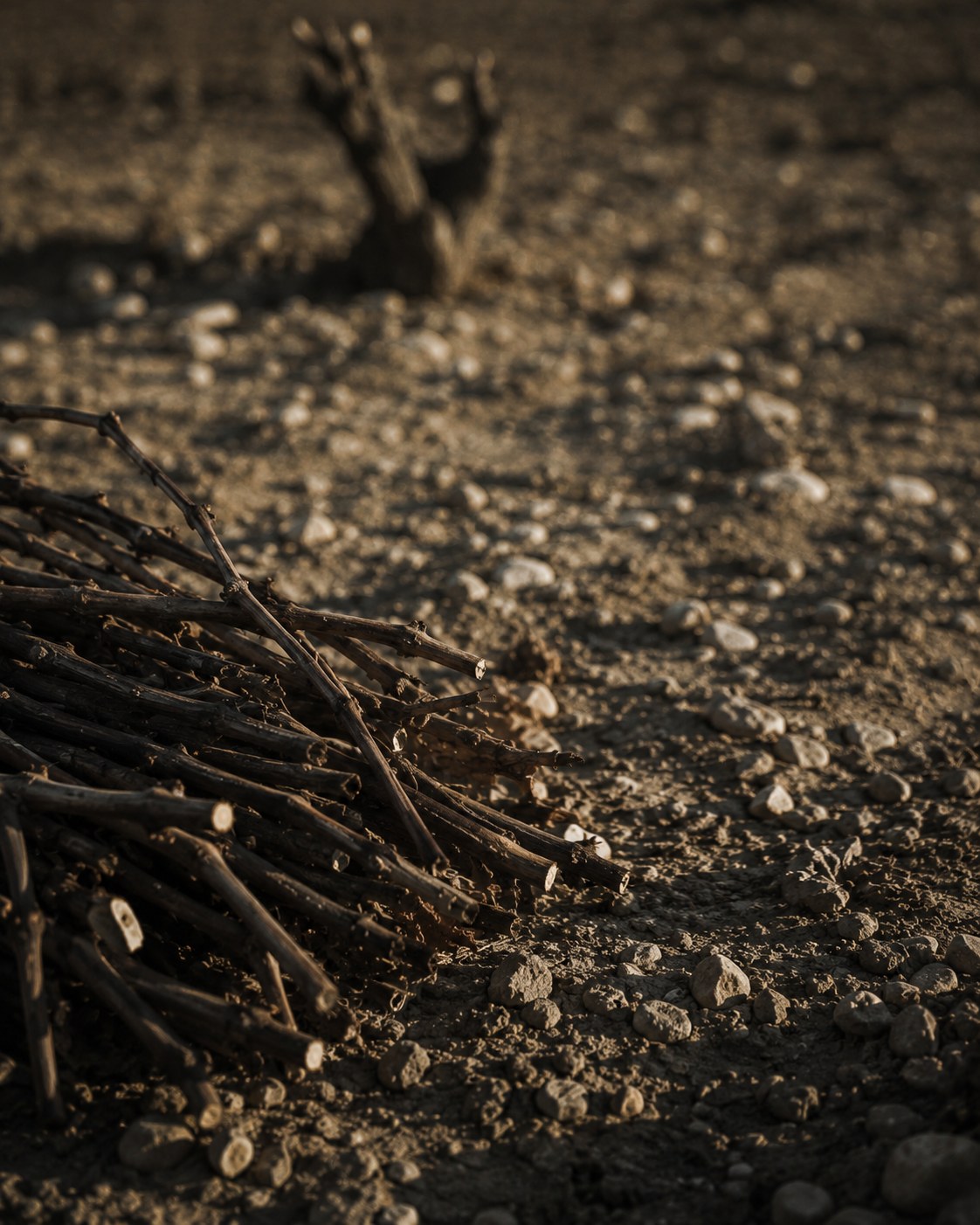
sarmiento — the woody cane of the previous year, the one pruning removes. It is not a branch and not a twig: it is specifically last season's growth, now dry, destined for the fire or for the ground.
pámpano — the green shoot of the current year, with its leaves. The same piece of the plant that will be a sarmiento next winter has a different name while it is alive and growing. English uses "shoot" for both.
viña vieja — literally old vineyard, but the phrase carries a claim: that the age is doing something to the wine. Nobody agrees on the number of years at which a vineyard becomes vieja, and nobody wants to fix it.
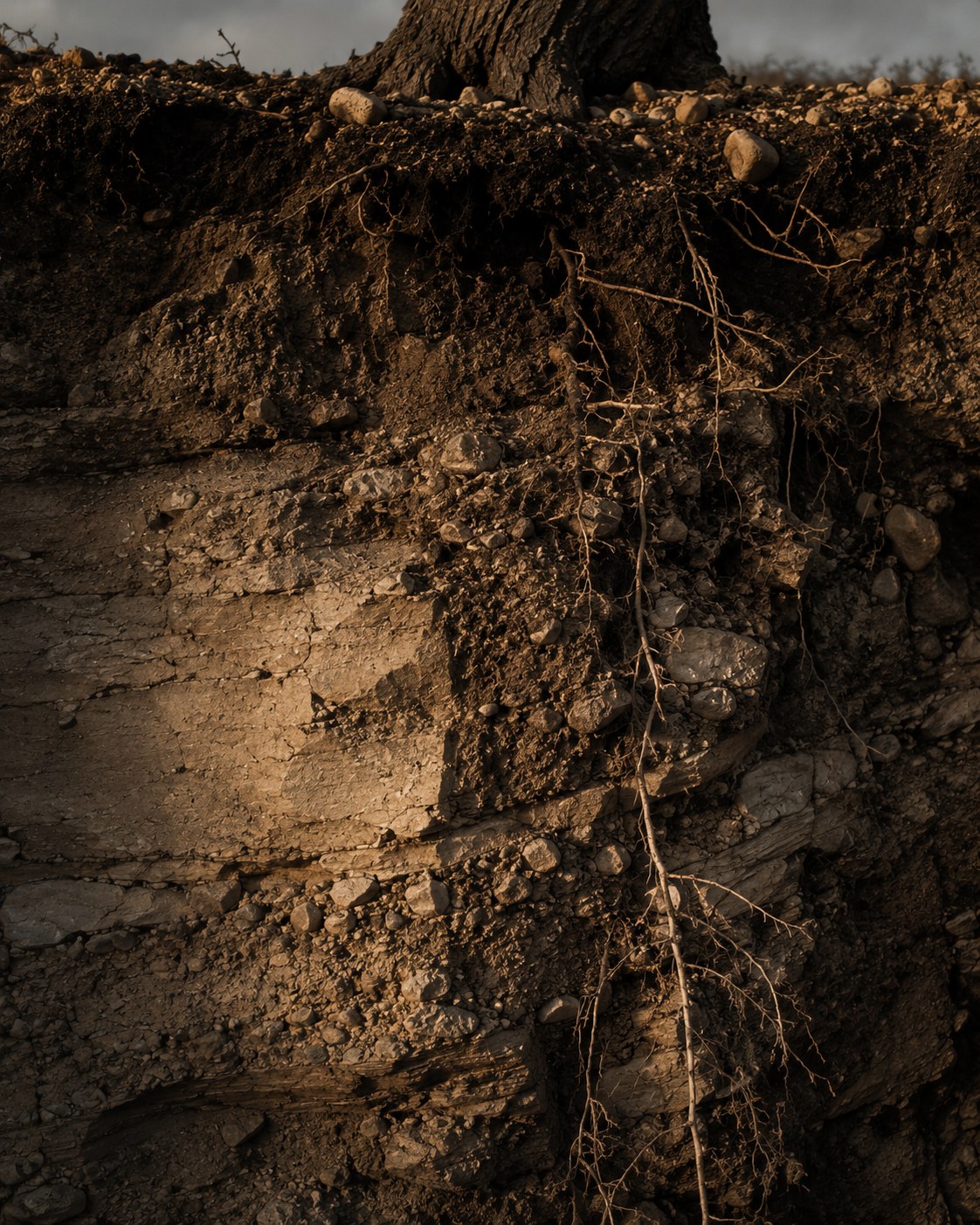
pago — a named piece of land with its own character, recognised by the people who work it long before any authority writes it down. Closest to the Burgundian climat. "Plot" and "site" both miss that the name came from the land itself2.
majuelo — a young vineyard, recently planted. There is affection in the word that "young vineyard" does not carry — it is the vineyard someone put in and expects to outlive them1.
páramo — the high flat tableland above the valleys, hard, treeless, swept by wind. "Plateau" is geography; páramo is geography plus a judgement about how hard it is to live there.
quiñón — the share of communal land that fell to a family in the old distributions. Several of our plots are still called this, generations after the sharing out that gave them the name.
lloro — the weeping. In March, when the sap rises before the buds open, a pruned cane drips clear liquid for days. English calls it "bleeding", which sounds like an injury. Lloro sounds like what it is: the first sign the plant is awake.
envero — the moment the grape changes colour and stops growing by swelling, beginning instead to ripen. English borrowed veraison from French rather than build its own3.
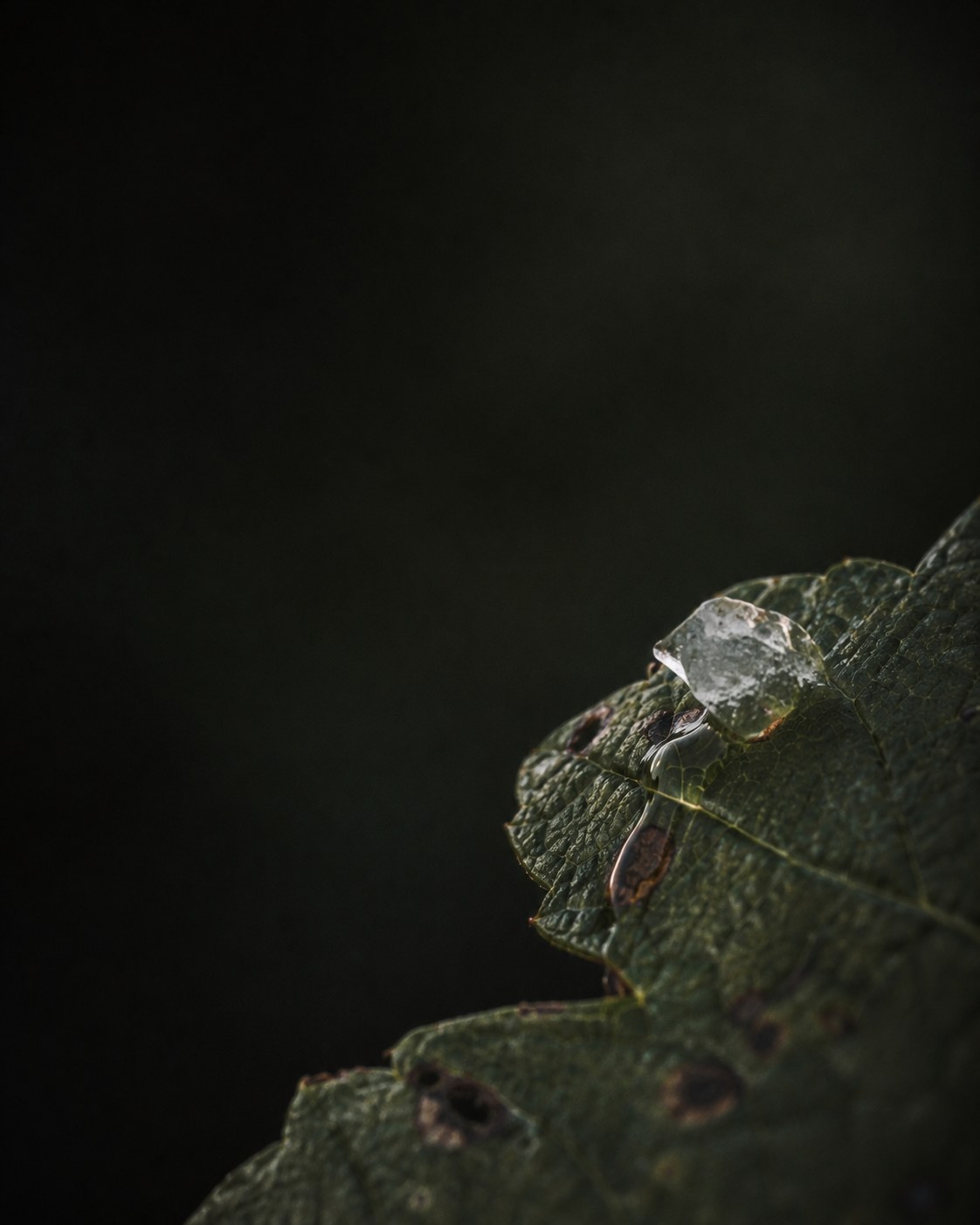
agraz — the unripe grape, hard and sour, and by extension the juice pressed from it. A word that survives mostly in the phrase for something spoiled before its time.
vendimia — the harvest, but also the season, the work, the people and the year itself. One says "the 2019 vendimia" meaning the wine, the weather and everything that happened while it was picked.
"There is no point translating majuelo. If you have to explain it, it is because you have not seen one." — Trifón
poda en verde — summer pruning, done on green shoots rather than dry wood. Two words in English, three in Castilian, and a completely different task from the winter pruning that shares the name.
espérgura — the removal of surplus green shoots in spring, before they compete. English says "shoot thinning", which is accurate and says nothing about the hand that does it, one plant at a time.
aclareo — dropping fruit on purpose so that what remains ripens better. "Green harvest" describes the operation; aclareo describes the intention, which is to make things clearer.
trasiego — racking: moving wine off its lees from one vessel to another. The word also means an untidy coming and going, which is what the cellar looks like on the days it is done.
There are words we have deliberately left out because we are not sure of them, and others we use without ever having asked where they came from. Tempranillo itself is one: the early one, from temprano. Here it is more often called tinta del país, the local red — a name that says nothing about the grape and everything about who is speaking.
A glossary of a trade is never finished, because the trade keeps needing new things to name and forgetting old ones it no longer does. Half the words above describe work that was done by hand within living memory and is now done, in most places, by machine. The words will outlast the gestures by a generation, and then they will go too.
This list stays open4.